

As children, nothing matters more than our family member’s well being, especially as they age. Over time, many elderly people and elderly patients become more dependent, particularly those with limited mobility or age related conditions. This is where modern care devices and alarm systems are making a real difference.
A bed alarm system offers an added layer of safety, helping families and carers feel more confident when supporting loved ones in their own home or care settings. These devices are designed to detect movement, monitor activity, and send alerts when something unusual happens, such as a patient fall or unexpected bed movement during the night.
One of the most widely used solutions is a bed alarm, which provides real time alerts to carers through a connected alarm monitor, portable pager, or nurse call system.
Bed alarms for seniors and vulnerable patients
Bed alarms for seniors play a vital role in preventing accidents and improving patient safety. For those living with dementia or mobility challenges, the risk of falls increases significantly, especially during prolonged periods of unsupervised movement.
A sensor mat or bed sensor mat is typically placed under the mattress or sheet. When pressure changes occur, the sensor mat detects movement and triggers an alarm sound or wireless alert to alert caregivers immediately.
This helps carers respond quickly and potentially prevent falls, especially in cases where patients fall out of bed or attempt to move without assistance.
For added reassurance, many systems include a call button, allowing users to simply press for help, connecting directly to carers or even emergency services if required.
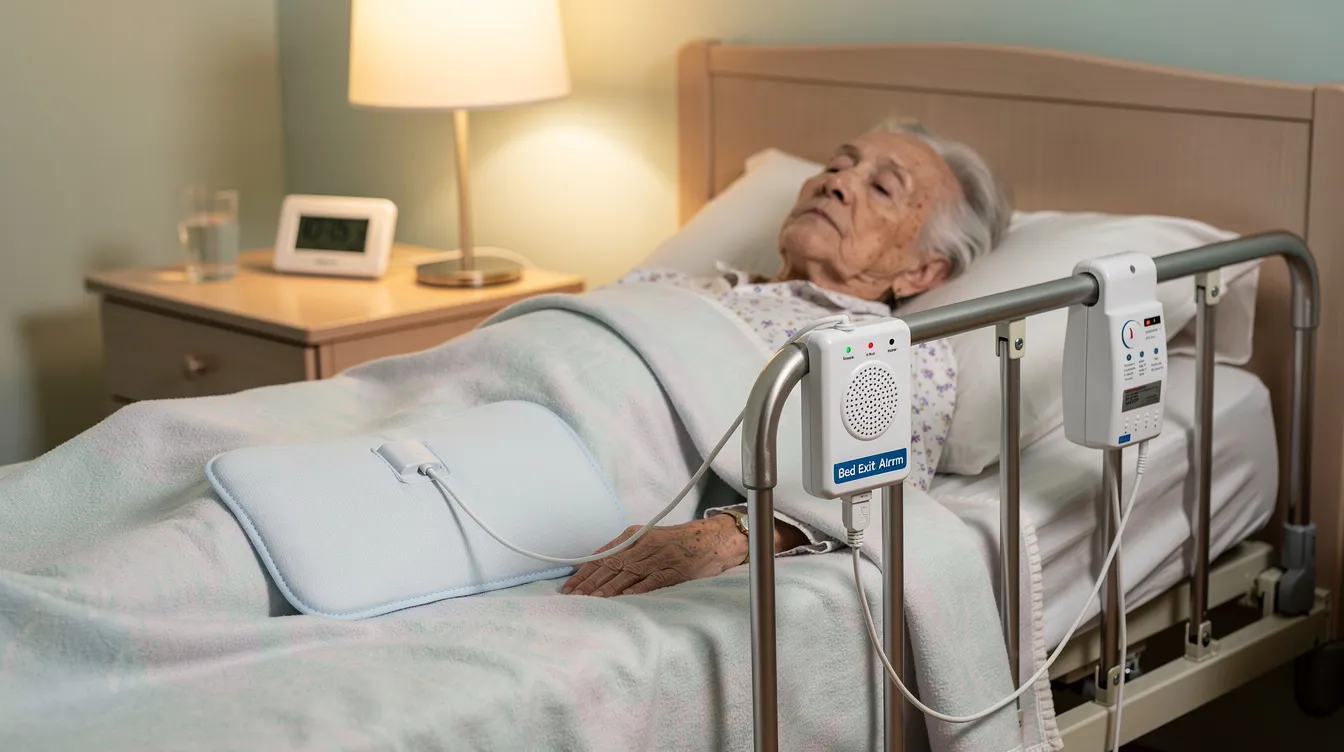
How bed alarm systems work
A typical alarm system includes a sensor, alarm unit, and receiving device such as a pager or mobile receiver. When movement is triggered, the system activates an alert via sound, vibration, or notification.
Some advanced systems include:
-
Voice alert options using a familiar voice
-
Adjustable sensitivity to reduce false alarms
-
Extended range for larger homes or care environments
-
Integration with nurse call systems in hospitals
These systems are designed to be discreet, often placed under a bed, ensuring dignity while maintaining continuous monitoring.
In hospital environments, alarm systems are often connected directly to a nurse call system, ensuring staff are notified instantly if a patient needs assistance.
Why bed alarms are so effective
The biggest benefit of a bed alarm is peace of mind. Families know their loved one is being monitored, even when they are not physically present.
They also help:
-
Reduce risk of injury from patient falls
-
Support carers in managing elderly individuals
-
Improve response time during emergencies
-
Provide reassurance for people living alone in their own home
Many systems are designed for long term use, offering durability and reliable signal performance across different room layouts and environments.
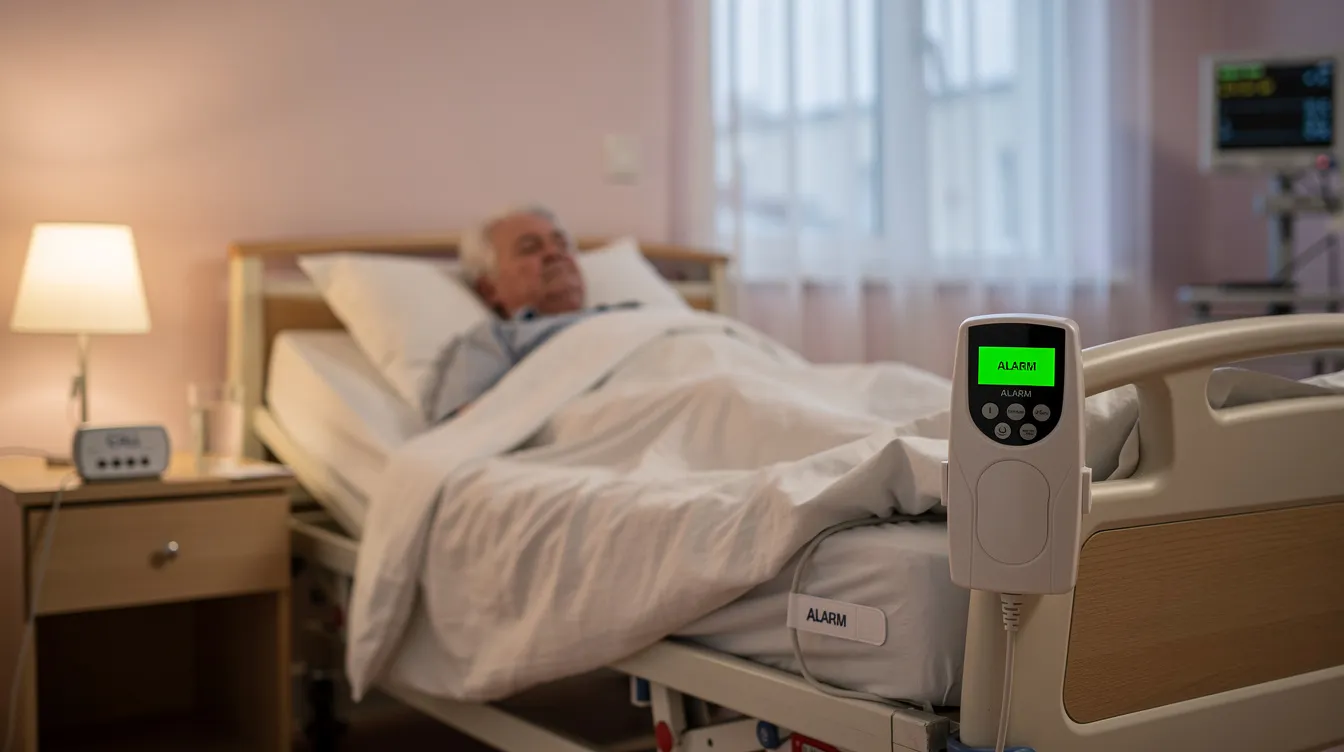
Bed alarms in care environments
In hospitals and care homes, multiple alarm systems are used depending on patient needs. These may include:
-
Sensor mats for beds and chairs
-
Call buttons for direct assistance
-
Integrated pager systems for staff
-
Movement based alarm monitors
Some systems are designed to detect not only bed movement but also other movements such as getting out of a chair or leaving a door area.
This creates a complete safety network for patients, especially those with limited mobility or high fall risk.
Why choose Frequency Precision
At Frequency Precision, we specialise in reliable care monitoring devices designed to support carers, families, and healthcare professionals.
Our range of bed alarms, sensor mats, and alarm systems are built to deliver dependable monitoring, quick alerts, and improved patient safety.
Whether you are caring for a loved one at home or managing a care facility, our solutions help you stay connected, respond quickly, and reduce the risk of falls.
We also offer a range of complementary care products including emergency call systems, pressure mats, and wireless monitoring solutions designed for continuous protection and peace of mind.
FAQs
What is a bed alarm used for?
A bed alarm is used to detect movement or pressure changes in a bed and send an alert to carers to help prevent patient falls.
Do bed alarms help prevent falls?
Yes, a bed alarm system can help prevent falls by alerting carers when a patient gets up or moves unexpectedly.
How does a bed sensor mat work?
A bed sensor mat detects pressure changes and triggers an alarm unit, which sends a notification to a pager, call system, or mobile device.
Are bed alarms suitable for dementia patients?
Yes, bed alarms for seniors and dementia patients are commonly used to improve safety and reduce wandering risks.
Can bed alarms be used at home?
Yes, many bed alarm systems are designed for use in the own home, helping families monitor loved ones safely.